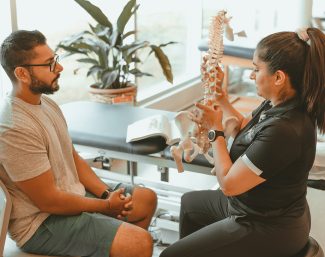
Athletic therapy often sparks curiosity.
We hear about it, but we’re not always sure whether it applies to us.
- Is it only for elite athletes?
- How is it different from physiotherapy?
- Could it help me?
Let’s answer the three most common questions.
1. Is athletic therapy only for athletes?
No. Athletic therapy is for anyone who leads an active lifestyle. You don’t need to compete in sports to benefit from it.
If you go to the gym, run occasionally, have a physically demanding job, or simply want to stay active, your body is already exposed to significant physical demands.
Why see an athletic therapist if you’re not an athlete?
Athletic therapy can help you:
- improve the way you move
- prevent and treat muscle and joint injuries (such as ankle sprains, back pain, and more)
- reduce discomfort related to physical activity
- optimize your performance, regardless of your fitness level
The goal: to help you stay active longer and with less pain.
2. What’s the difference between athletic therapy and physiotherapy?
This is the most common question, and the answer is simpler than you might think.
Physiotherapy and athletic therapy are complementary professions. The right choice depends primarily on your situation and your goals.
The role of physiotherapy
Physiotherapy covers a wide range of conditions and areas of expertise. It is often recommended for pain, movement limitations, or rehabilitation following an injury.
Depending on your needs, physiotherapy may include different approaches and expertises, such as vestibular rehabilitation, pelvic health physiotherapy, sports physiotherapy, or complementary treatments like dry needling.
Physiotherapy helps:
- reduce pain
- improve mobility and function
- treat injuries and conditions
- prevent recurrences
- support a gradual return to daily and physical activities
Their primary goal: to help you regain comfort and optimal function in your everyday life.
The role of athletic therapy
Athletic therapy is particularly well adapted for injuries related to physical activity and return-to-sport rehabilitation, but it can also help with injuries that occur during everyday activities.
They can help:
- treat muscle and joint injuries
- reduce acute or chronic pain and improve mobility
- analyze movement patterns and correct imbalances
- strengthen the structures required for your specific activity
- guide a safe and progressive return to sport or training
Athletic therapists are also trained to respond quickly in on-field emergency situations, an expertise they bring into the clinic setting as well.
Their primary goal: to help you move efficiently, confidently, and without limitations.
3. What does an athletic therapy session look like?
In athletic therapy, assessment and treatment are tailored to your condition, injury type, and specific needs. Whether you’re dealing with a sports injury, training-related discomfort, or recurring pain, the goal is to understand how your body moves, and help it move more effectively.
Contrary to what many people think, sessions are rarely passive.
You’re going to move, and that’s a good thing.
An active and personalized approach
A session may include:
- specific exercises
- functional tests
- real-life movement simulations (running, jumping, sport-specific movements)
- movement and technique correction
Each treatment plan is adapted to your fitness level, your sport or activity, your condition and your goals.
The goal: to help you regain confidence in your movements, improve your physical capacity, and safely return to the activities you enjoy.
Whether you’re currently in pain, recovering from an injury, or simply looking to improve your performance, one thing is certain: you don’t need to be an elite athlete to want to move better.
Because ultimately, the goal isn’t just to keep moving, it’s to keep moving for years to come!