At Ekinox, our large team of physiotherapists offers a wide range of expertises and advanced training. Each therapist may focus on specific areas to better address the needs of each client. Here is a detailed overview of our main areas of expertise to help you choose the physiotherapist best suited to your health and wellness goals.
Musculoskeletal physiotherapy
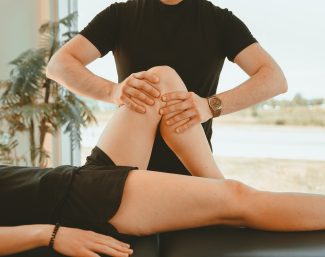
All our physiotherapists assess and treat musculoskeletal injuries, including ligaments, bones, muscles, intervertebral discs, joints, and soft tissues. These conditions can cause pain or dysfunction in various parts of the body such as the back, neck, arms, and legs, and may also include post-surgical rehabilitation.
Conditions treated:
- Pain in the back, neck, shoulders, elbows, wrists, hips, knees, or ankles
- Post-operative rehabilitation after procedures such as:
- Total or partial knee replacement
- Hip replacement
- Shoulder replacement
- Acromioclavicular (AC) joint surgery
- ACL, PCL, or meniscus repair
- Osteoarthritis and joint pain
- Overall strengthening, mobility, and posture programs to maintain an active lifestyle, including strength, endurance, posture, and more.
Pelvic floor rehabilitation
Pelvic floor physiotherapists assess, treat, and prevent pelvic floor dysfunction. They also support expectant and new mothers through the many changes during pregnancy, labour preparation, and the post-partum period.
Conditions treated:
- Urinary and/or fecal incontinence
- Pelvic pain
- Pelvic organ prolapse
- Pre- and post-natal care, including labour preparation and recovery after childbirth
Vestibular physiotherapy
Our vestibular physiotherapists assess and treat symptoms related to balance disorders. The vestibular system helps the brain recognize the position and movement of the head in space, allowing the body to maintain balance and adapt to environmental changes.
During treatment, physiotherapists may use specific head and body movements, repositioning techniques, and progressive exercises to reduce symptoms. These interventions aim to improve balance, stability, and overall ability to safely perform daily activities.
You may benefit from vestibular physiotherapy if you experience:
- Vertigo or dizziness
- Positional vertigo (BPPV)
- Epley maneuver
- Sensory disturbances that increase fall risk
TMJ (Temporomandibular Joint) disorders
Some of our physiotherapists assess and treat the jaw, surrounding muscles, and related structures. TMJ disorders are not limited to jaw pain; they can also be accompanied by neck pain, headaches, and poor posture, all of which may contribute to or worsen jaw-related symptoms.
Signs that evaluation may be beneficial:
- Pain when chewing, yawning, talking, or opening the mouth
- Jaw clicking or popping
- Jaw locking
- Arthritis-related jaw pain
Concussion rehabilitation
Our physiotherapists guide individuals who have experienced a concussion, whether from a sports injury, motor vehicle accident, workplace incident, or other causes. Our protocol aims to gradually reduce symptoms and safely support a return to daily activities, work, or sport.
Frequent symptoms:
- Headache, neck pain, nausea
- Fatigue, lack of energy, blurred vision
- Dizziness, light or noise sensitivity
- Difficulty concentrating, irritability, anxiety
Shockwave therapy
This non-invasive treatment targets chronic musculoskeletal injuries by delivering controlled shockwaves to stimulate blood flow and tissue regeneration, which can support recovery and reduce pain.
Conditions treated:
- Achilles tendinopathy
- Plantar fasciitis
- Calcific tendonitis
- Tennis or golfer’s elbow
- Other chronic tendon-related injuries
Dry needling physiotherapy
Dry needling is a modern technique used by some physiotherapists to relieve muscle tension (trigger points or knots). It involves inserting thin, sterile needles into these points to release muscle tension, improve blood flow, and reduce pain.
While acupuncture is based on traditional Chinese medicine and aims to stimulate specific points on the body to rebalance energy and provide global relief from various symptoms, dry needling directly targets muscles and trigger points to reduce pain and improve function.
Physiotherapy for athletes
Our physiotherapist experts in sport rehabilitation provide injury prevention, acute injury management, and performance optimization for a safe return to sport, both on the field and in the clinic. Some also have expertise in specific sports such as running or golf.
You may benefit from sports physiotherapy for:
- Injury prevention
- Returning to sport after an injury
- Enhancing athletic performance
- Personalized advice tailored to your sport
Our team works closely together to provide comprehensive, personalized care, ensuring every client receives high-quality treatment. If you have questions or need guidance in choosing the right professional, don’t hesitate to contact us.
Sources :
- Ben El Hammi, N., Amessegher, F., Moudni, S., & Jouhadi, E. M. (2025, July 28). Physiotherapy approaches for temporomandibular disorders: A multimodal conservative management strategy. Cureus. https://pmc.ncbi.nlm.nih.gov/articles/PMC12381817/ #:~:text=Abstract,TMDs%20while%20detailing%20these%20modalities
- Mayo Foundation for Medical Education and Research. (2024, January 12). Concussion. Mayo Clinic. https://www.mayoclinic.org/diseases-conditions/concussion/symptoms-causes/syc-20355594
- Seifried, M., & Nah, J. (2025, February 6). What is Vestibular Rehabilitation therapy? | how it works. https://cornerstonephysio.com/resources/what-is-vestibular-rehabilitation-therapy/
- Shockwave therapy. Cleveland Clinic. (n.d.). https://my.clevelandclinic.org/canada/services/shockwave-therapy