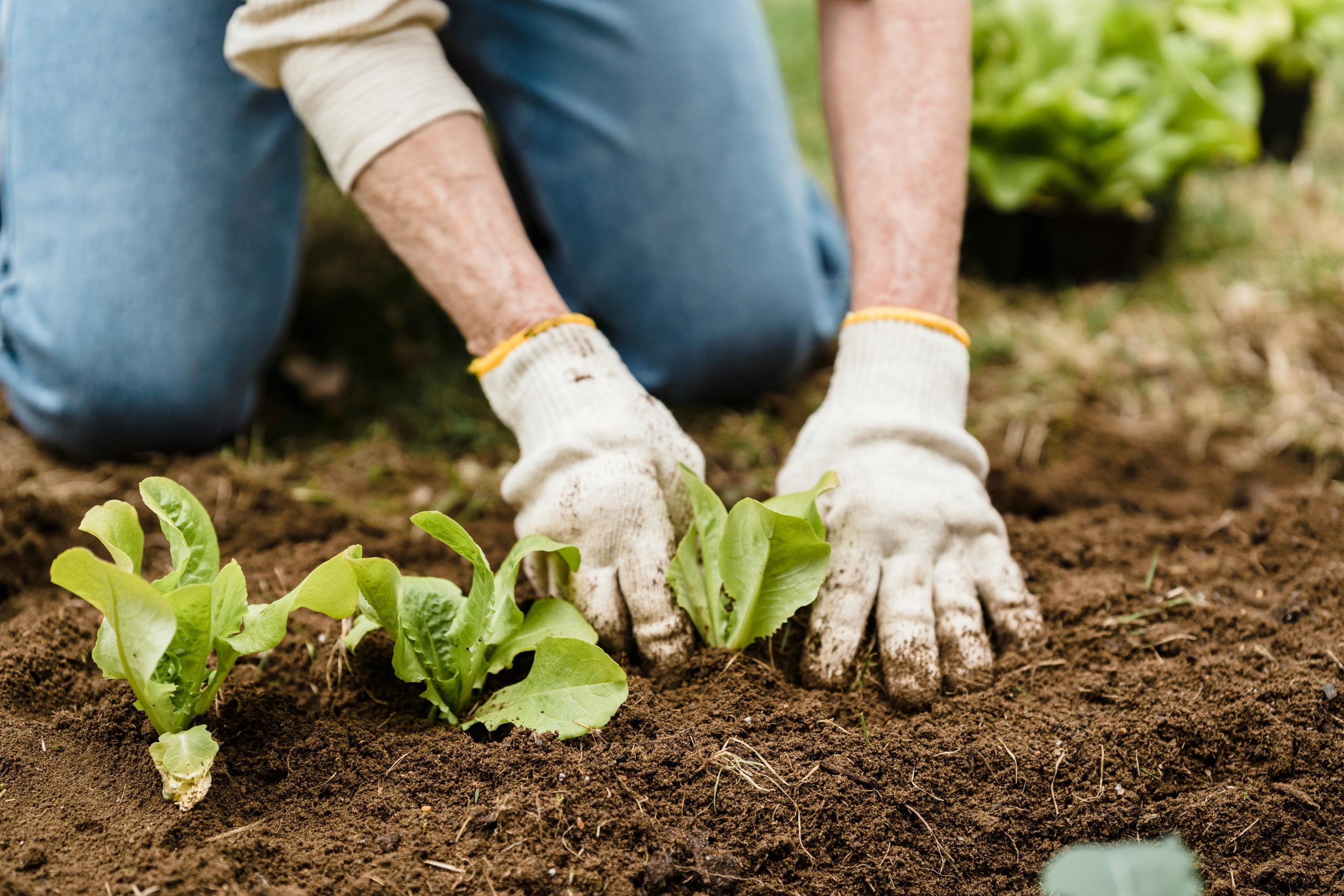
The return of spring (finally!) often brings the urge for a fresh start: spring cleaning, preparing the garden, organizing the garage… While these activities may seem simple, they can put significant strain on the body, especially the back, shoulder, and knees.
Back pain after gardening or spring cleaning is common, particularly when the body is not used to these physical demands or prolonged positions.
Fortunately, a few simple habits can help prevent tension and avoid pain so you can fully enjoy your spring activities.
Why can spring cleaning and gardening cause pain?
After the winter, our bodies are sometimes less active and less prepared for prolonged physical tasks. Spring cleaning and gardening often involve:
- repetitive or unfamiliar movements
- prolonged bent positions
- lifting loads (bags of soil, bins, furniture)
- trunk rotation
These movements can overload certain structures in the body, especially if posture is not optimal.
5 tips to protect your back this spring
1. Warm up your body before starting
We often hear about the importance of warming up before a workout. However, gardening or cleaning can also represent a real physical effort for the body, and this key step is frequently overlooked.
Before starting several hours of activity, take a few minutes to wake up your muscles. Even a short 5-minute walk can be a good option.
You can also try:
- gentle shoulder and hip rotations
- stretches for the back, legs, and forearms
- a few squats
In short, a brief warm-up can help reduce the risk of muscle tensions.
2. Bend your knees instead of your back
When lifting an object or working close to the ground, remember to bend your knees and keep your back straight. This technique helps distribute the effort between your legs and your trunk.
If you need to lift a bag of soil or a box, keep it close to your body. And if it’s too heavy, don’t hesitate to ask for help.
3. Avoid staying in the same position for too long
Remaining bent over for long periods while gardening or cleaning can create significant tension in the lower back.
Try to alternate positions and change tasks regularly to vary your movements.
4. Use the right tools
Some ergonomic tools can make a big difference:
- gardening tools with adjustable handles to avoid bending or reaching too far
- knee pads or cushions to work closer to the ground while reducing pressure on the knees
- a wheelbarrow or cart to transport heavier loads
These small adjustments can help reduce strain on the body.
5. Take breaks
Even when motivation is high, remember to take regular breaks so your muscles can recover. You don’t have to do everything in one day, use your energy wisely.
Taking a few minutes to walk, drink water, or stretch can also help prevent pain.
When should you consult?
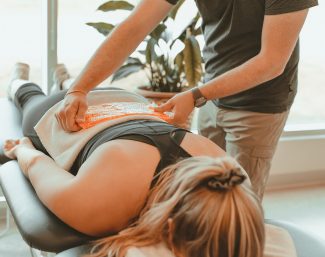
If you experience persistent or limiting pain in your back, shoulder, or knees after your spring activities, it may be helpful to consult a professional. In physiotherapy, an evaluation can help identify the causes of your discomfort and provide personalized exercises and advice so you can return to your activities and enjoy the warmer weather with confidence.