Musculoskeletal Ultrasound
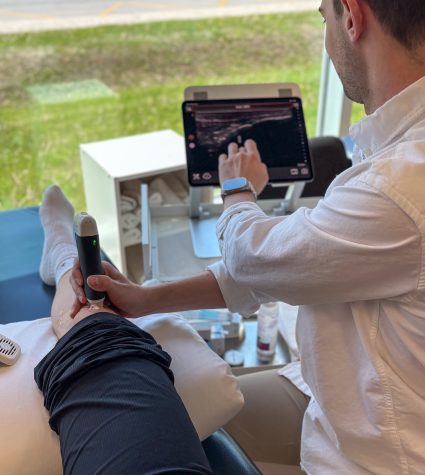

Musculoskeletal ultrasound is an imaging technology used in physiotherapy to visualize body structures in motion, directly during assessment and treatment. It allows physiotherapists to observe muscles, tendons, ligaments, joints, and other soft tissues in real time, helping to better understand the source of pain or functional limitations.
Ultrasound is fast, safe, and radiation-free, and can be integrated directly into your physiotherapy appointment. It enhances the accuracy of the assessment and allows the treatment plan to be adapted in a more targeted and personalized way.
This tool becomes a major asset in optimizing care and supporting your rehabilitation follow-up.
What to expect during your appointment
During your appointment, the physiotherapist will begin with a comprehensive assessment of your condition, symptoms, and goals. When appropriate, musculoskeletal ultrasound is then used to visualize targeted structures and assess how they function in motion.
A gel is applied to the skin to allow the probe to capture clear and accurate images. The examination is non-invasive, painless, and performed on-site during your consultation with a licensed physiotherapist.
The images obtained help the therapist better guide treatment, adjust exercises, and, most importantly, monitor tissue progression throughout rehabilitation, as well as identify conditions that may require medical follow-up or referral.
Images taken by a physiotherapist cannot be shared directly with other healthcare professionals, but written reports can be. This does not replace a diagnostic ultrasound ordered by your doctor.
Some benefits of musculoskeletal ultrasound
Musculoskeletal ultrasound can be useful in many contexts, including muscle or joint pain, sports injuries, tendinopathies and bursitis, sprains, and more.
When indicated, ultrasound can also guide dry needling (PPAS) interventions to more precisely target the treated structure, improving the accuracy, safety, and effectiveness of treatment.
Ultrasound uses sound waves rather than X-rays. It is therefore non-invasive, safe, and can be used repeatedly when needed throughout rehabilitation and follow-up care.
Our professionnals