Better concussion management starts with knowing your baseline
Before the start of a sports season, athletes prepare in many ways: they train, refine their skills and make sure they have the right equipment. Yet one valuable tool for supporting concussion management is still not widely known: the baseline assessment.
Performed before the season begins, a baseline assessment establishes an athlete’s cognitive and physical abilities while they are healthy. If a concussion occurs later in the season, these results provide an objective point of comparison to support follow-up care and guide safe return-to-sport decisions.
Imagine this scenario…
Your child takes a hit to the head during a game. After a few days of rest, they say they feel fine and want to return to play.
But has their brain truly returned to its normal level of function?
Without a point of comparison, it can be difficult to answer that question with confidence. That’s exactly where a baseline assessment becomes valuable.
Because every brain is unique, results collected before the season allow healthcare professionals to compare the athlete’s post-injury performance to their own baseline, rather than to population averages.
This approach can help:
- better identify changes caused by a concussion;
- personalize follow-up care;
- guide return-to-sport decisions;
- reduce the risk of returning to play too soon.
Who should have a baseline assessment?
A baseline assessment is recommended for all young athletes, but it is especially beneficial for those who participate in sports where the risk of concussion is higher or where contact and falls are more common.
This includes sports such as hockey, football, soccer, basketball, skiing, martial arts, and even cheerleading!
It is also a reassuring tool for parents and coaches, providing objective information should an injury occur during the season.
What does the assessment involve?
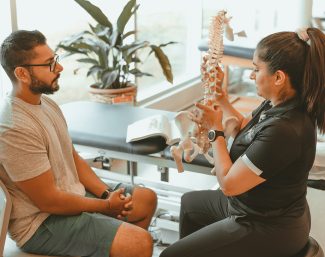
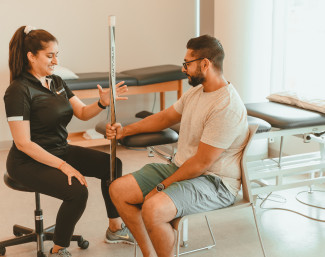
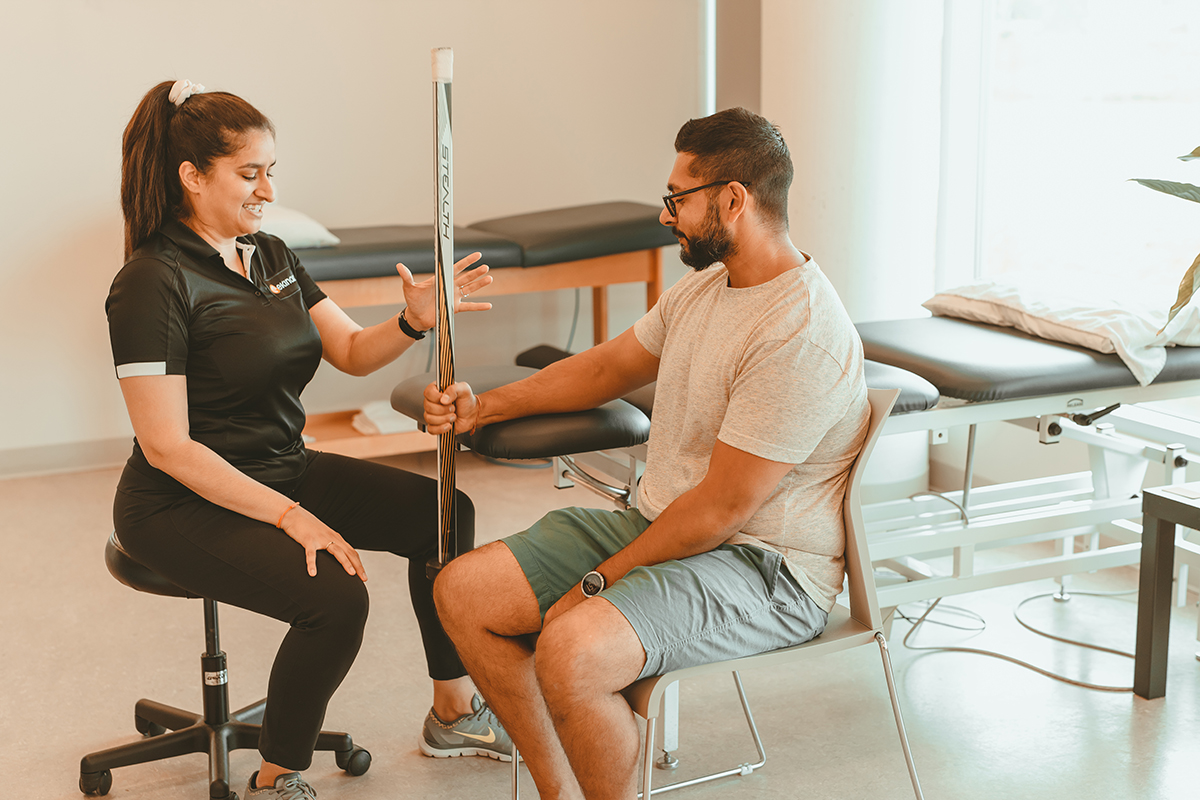
The appointment lasts approximately 45 minutes and is conducted by a trained healthcare professional.
The goal is to establish a comprehensive picture of the athlete’s cognitive and physical abilities using a series of objective tests. Depending on the athlete’s age, sport and individual needs, the assessment may include:
- a review of medical history and previous concussions;
- memory and attention tests;
- reaction time measurements;
- reflex testing;
- balance assessments;
- strength and speed measurements;
- other relevant functional assessments.
The results are securely recorded and kept as a reference in the event of a concussion during the season.
How often should a baseline assessment be repeated?
In young athletes, cognitive and physical abilities change rapidly as they grow. For this reason, it is generally recommended to repeat the assessment every year before the start of the sports season, ensuring that the results accurately reflect the athlete’s current abilities.
Your healthcare professional may also recommend a new assessment following a concussion or another significant change in your condition.
Good preparation starts before the first game
While it is impossible to prevent every concussion, it is possible to be better prepared if one occurs.
By establishing a reference point before the season begins, a baseline assessment helps healthcare professionals better understand the effects of a concussion and support each athlete based on their own recovery.
At Ekinox, our professionals are trained to perform baseline assessments and support young athletes throughout their season, helping them return to sport safely and with confidence.
If you manage a sports team or club and would like to offer this service to your athletes, we can also organize multiple consecutive assessment sessions. Feel free to contact us for more information.